


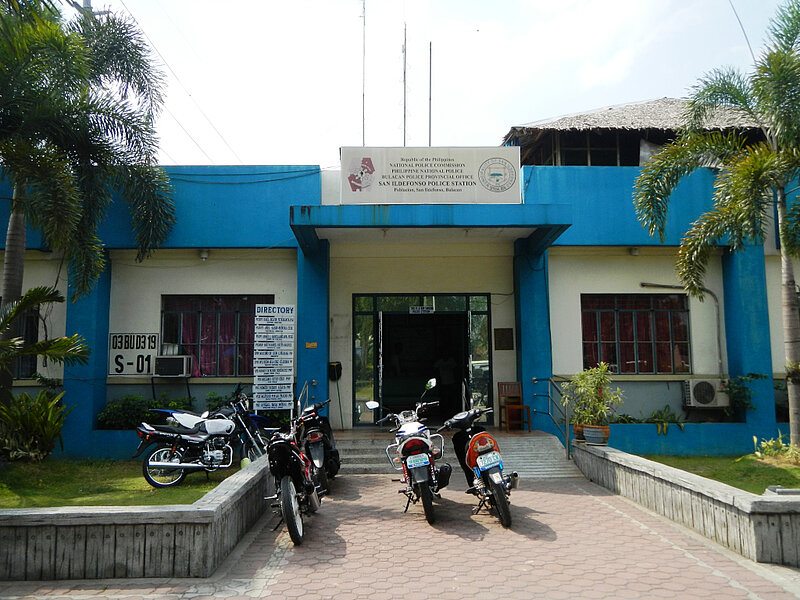
During the “war on drugs”, Bulacan became one of the most lethal zones of police activity. The new PRIF Working Paper No. 64 by Peter Kreuzer examines the use of deadly force in this period.
Drawing on a uniquely detailed dataset of police operations from 2015 to 2018, the study assesses whether official narratives of self-defense hold under empirical scrutiny. It introduces a “top-down” methodology for evaluating excessive deadly force, using indicators such as lethality ratios and police victimization rates.
The findings reveal a dramatic escalation in police killings, with nearly no suspects wounded and minimal police casualties, suggesting that many purported armed encounters were in fact extrajudicial executions. Situating these findings in international context, the study compares Bulacan with over 30 national and subnational jurisdictions across all continents and finds it to be among the most extreme global outliers.
These patterns point to a systemic practice of excessive fatal force driven by signals from national leadership, rather than isolated acts of misconduct. This research complements case-based human rights approaches by offering a scalable empirical strategy to assess systemic police violence. It demonstrates how detailed national or subnational data can reveal broader patterns of abuse and challenge official narratives of justified force, even in the absence of sufficient qualitative evidence on individual encounters and in contexts of widespread impunity.
The working paper was produced within the context of the project “Democracy beyond Legitimate Coercion: Deadly Use of Force by the Police in the Philippines and Brazil”, funded by the German Research Foundation (DFG). You can also read more about the project in the newly published PRIF Review 2024.