


Conventions on biological (the Biological Weapons Convention, BWC) and chemical (the Chemical Weapons Convention, CWC) weapons provide the means to enforce the respective prohibitions. However, in times of geopolitical instability, these mechanisms, which are mostly political in nature, have repeatedly been criticised.
Nevertheless, there has been an increase in the number of national and international court cases initiated in the context of the prohibition of biological and chemical weapons. While not always directly based on the BWC or the CWC, these cases raise awareness of the relevant prohibitions and help to enforce them, albeit outside the actual treaty regimes.
In her new working paper, Elisabeth Hoffberger-Pippan examines the role of national and international courts in implementing prohibitions on biological and chemical weapons. She demonstrates that both types of court often face procedural restrictions that can impede the effective enforcement of the relevant prohibitive norms.
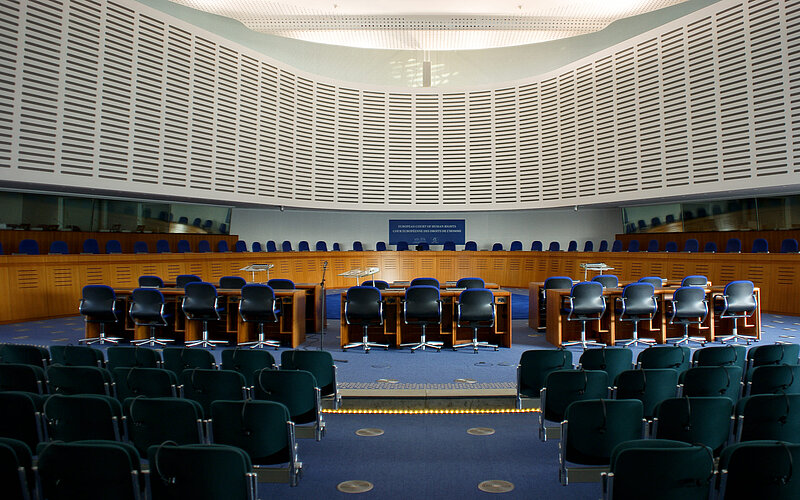
Nevertheless, the interaction between various institutions, including national and international courts such as the European Court of Human Rights, is noteworthy. This is due to the large number of court cases and the simultaneous intertwining of arms control issues.
The working paper is available for download (PDF, accessible).