


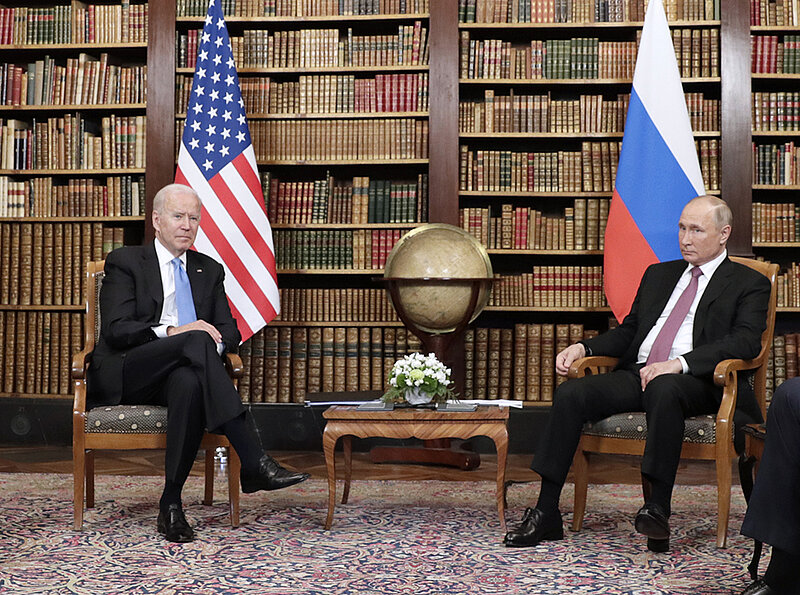
Russia’s war of aggression exacerbates nuclear threats in multifaceted and potentially catastrophic ways, while diminishing the prospects for arms control and nuclear restraint regimes. In this, it is comparable to the early phases of the Cold War. This PRIF report critically examines the transformative impact Russia’s war is having on the contemporary nuclear order, focusing on the utility of nuclear weapons in crisis bargaining, the credibility and sources of extended deterrence, and the functions and limitations of arms control. Drawing on lessons from the past, the authors discuss what a future nuclear strategy might look like.
Dr. Matthias Dembinski is an associate fellow and project leader of the PATTERN: How Does the Past Matter? The Russian War of Aggression Against Ukraine and the Cold War project at PRIF. Mikhail Polianskii is a doctoral researcher and member of this research project at PRIF.